Natural world · Evidence-led place record
Miné-Akiyoshidai Karst Plateau UNESCO Global Geopark
JP
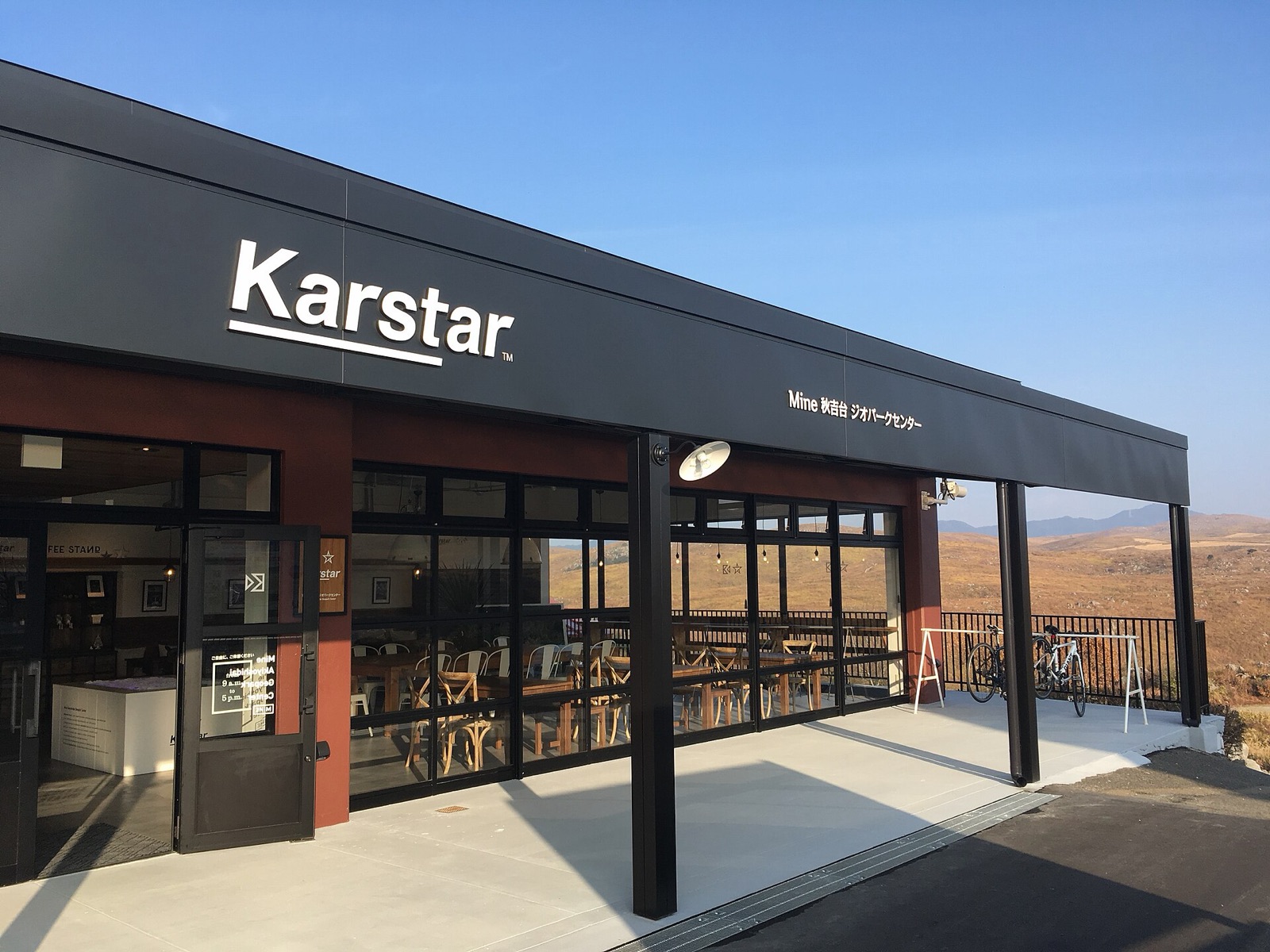
Miné-Akiyoshidai Karst Plateau UNESCO Global Geopark features a diverse landscape of mountains, valley plains, and the Akiyoshidai karst plateau, known for its dolines and extensive limestone caves. The plateau’s grasslands, shaped by centuries of traditional burning, support unique limestone-adapted flora and fauna.
The oddity, explained
Why is Miné-Akiyoshidai Karst Plateau UNESCO Global Geopark unusual?
Miné-Akiyoshidai Karst Plateau UNESCO Global Geopark appears here because the approved source classifies it as natural world. The source describes it as Miné-Akiyoshidai Karst Plateau UNESCO Global Geopark features a diverse landscape of mountains, valley plains, and the Akiyoshidai karst plateau, known for its dolines and extensive limestone caves. The plateau’s grasslands, shaped by centuries of traditional burning, support unique limestone-adapted flora and fauna. Heritage Atlas treats that specific classification-and-description combination as the oddity; the score is a comparative discovery signal, not proof of mystery or the supernatural. Compare nearby records and the linked country or category collection to understand how this entry relates to places supported by the same governed evidence.
Evidence and further exploration
The coordinate, category and description remain tied to the cited source. Comparative oddness helps discovery; it does not add facts that the source does not provide.
Data last collected: 3 September 2026 for this retained atlas release. Page and source last rechecked: 3 September 2026. Treat the record as a research starting point: open the original source, confirm current access conditions and compare the mapped location with local guidance before travelling. A missing field means the approved source did not support it; it is not evidence that the feature or restriction does not exist.
Inspect the original evidence source ↗