Natural world · Evidence-led place record
Causses de Quercy UNESCO Global Geopark
FR
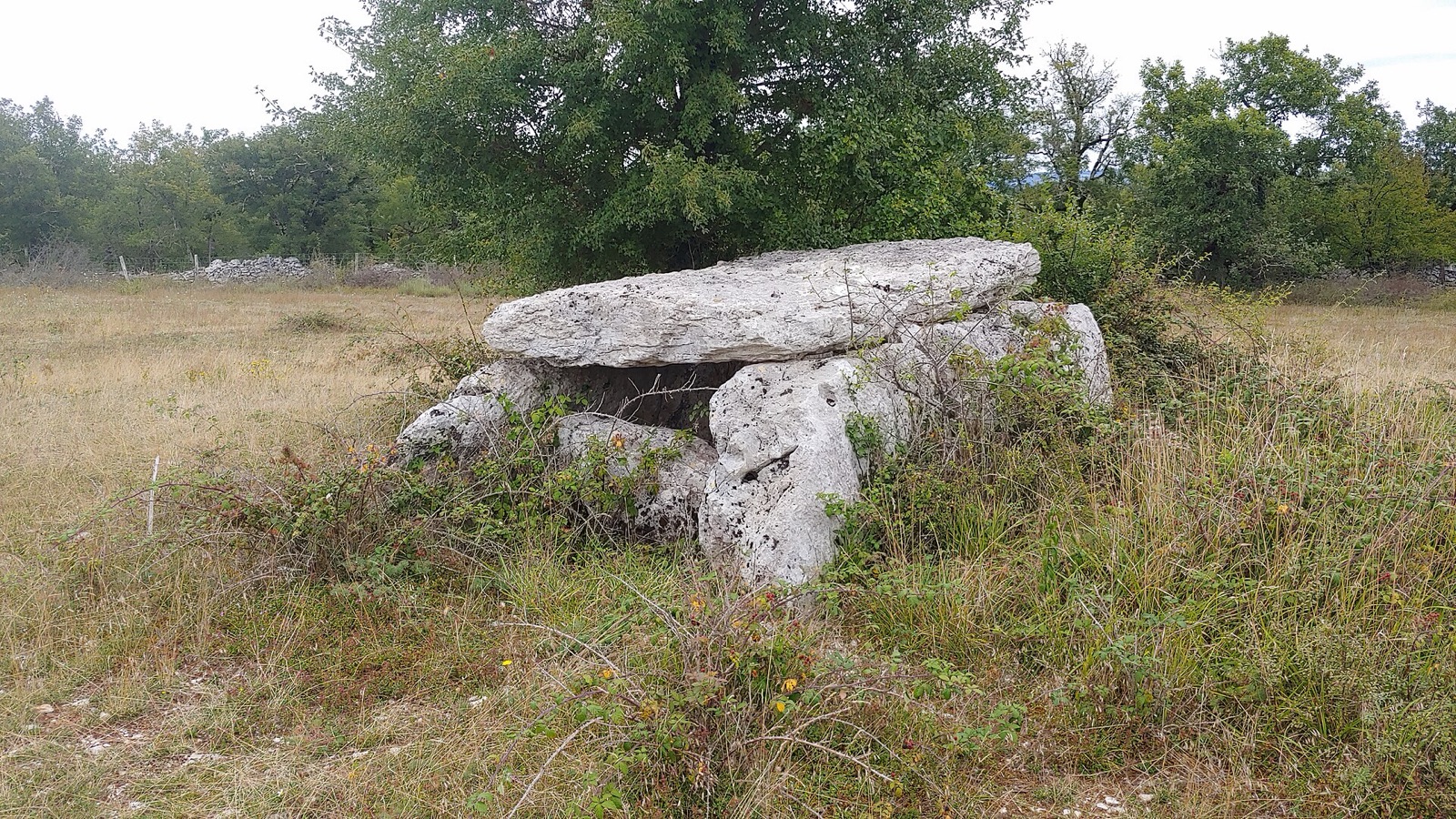
The Camino de Santiago, known in English as the St. James Way, crosses the geopark from Gréalou to Flaujac-Poujols.The region is renowned for its megaliths, with over 400 early human constructions. The Dolmen of Pierre Martine, on the hills above Livernon, is the largest, measuring 7.10 metres long and 2.30 metres wide, with support slabs over 5 metres long, weighing 22 tonnes.The dry-stone constructions known as 'caselles,' built without mortar, date from the 19th century and are still preserve
The oddity, explained
Why is Causses de Quercy UNESCO Global Geopark unusual?
Causses de Quercy UNESCO Global Geopark appears here because the approved source classifies it as natural world. The source describes it as The Camino de Santiago, known in English as the St. James Way, crosses the geopark from Gréalou to Flaujac-Poujols.The region is renowned for its megaliths, with over 400 early human constructions. The Dolmen of Pierre Martine, on the hills above Livernon, is the largest, measuring 7.10 metres long and 2.30 metres wide, with support slabs over 5 metres long, weighing 22 tonnes.The dry-stone constructions known as 'caselles,' built without mortar, date from the 19th century and are still preserve. Heritage Atlas treats that specific classification-and-description combination as the oddity; the score is a comparative discovery signal, not proof of mystery or the supernatural. Compare nearby records and the linked country or category collection to understand how this entry relates to places supported by the same governed evidence.
Evidence and further exploration
The coordinate, category and description remain tied to the cited source. Comparative oddness helps discovery; it does not add facts that the source does not provide.
Data last collected: 3 September 2026 for this retained atlas release. Page and source last rechecked: 3 September 2026. Treat the record as a research starting point: open the original source, confirm current access conditions and compare the mapped location with local guidance before travelling. A missing field means the approved source did not support it; it is not evidence that the feature or restriction does not exist.
Inspect the original evidence source ↗